Learning how to start an online store used to require serious technical skills and a decent chunk of capital. That’s changed a lot — today, someone with a smartphone and a genuine product idea can be selling online within a week.
Quick Overview
The basic process for how to start an online store involves picking a specific product niche, choosing a platform (Shopify, WooCommerce, or a marketplace like Amazon), setting up payment and shipping, and driving initial traffic through social media or ads.
Step 1: Choose a Specific Product Niche
Broad, generic stores (“we sell everything!”) struggle to build brand identity or loyal customers. Specific niches — sustainable home décor, plus-size activewear, artisanal spices — build stronger, more loyal customer bases faster.
I’ve noticed the most successful new online stores I’ve come across usually started narrower than felt comfortable, then expanded once the initial niche gained traction.
Step 2: Validate Demand Before Building the Full Store
Don’t build a complete store with fifty products before confirming anyone wants what you’re selling. Test with a handful of products first, gauge actual interest, then expand. [link to related guide on validating a startup idea here]
Step 3: Pick the Right Platform
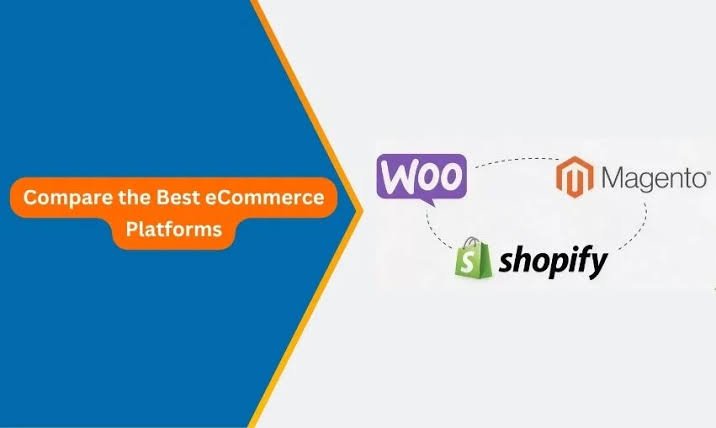
- Shopify — Easiest to set up, good for beginners, monthly subscription cost
- WooCommerce (WordPress) — More customizable, requires a bit more technical comfort, lower ongoing cost
- Marketplaces (Amazon, Flipkart, Etsy) — Instant access to existing traffic, but higher competition and platform fees
Picture a small handicraft seller who started purely on Instagram and WhatsApp before eventually building a dedicated Shopify store once order volume justified the monthly cost. Starting simple saved unnecessary early expenses.
Step 4: Set Up Payments and Shipping
Integrate reliable payment gateways (Razorpay, PayU, or platform-native options) and decide your shipping approach early — whether you’re handling it yourself or using a third-party logistics partner.
Step 5: Create Genuinely Good Product Photos and Descriptions
Poor product photography kills conversions faster than almost anything else in e-commerce. Natural lighting and a clean background go a long way, even without professional equipment.
Step 6: Drive Initial Traffic
- Leverage existing personal and social networks for the first sales
- Run small, targeted social media ads once you have some initial product photos and reviews
- Consider influencer partnerships with smaller, niche-relevant creators for authentic reach
Step 7: Focus on Customer Experience From Day One
Fast responses, clear order tracking, and honest communication about delays build trust fast, especially for a new, unknown brand competing against established names.
Common Mistakes New Online Store Owners Make
- Launching with too many products before validating demand for any of them
- Underestimating shipping costs and complexity
- Poor product photography that undersells genuinely good products
- No clear plan for driving traffic beyond “post on Instagram and hope”
FAQ
How much does it cost to start an online store? It varies widely, but a basic Shopify store with a few products can realistically start for a few thousand rupees in platform and initial marketing costs.
Which platform is best for beginners starting an online store? Shopify is generally considered the most beginner-friendly due to its guided setup and built-in payment and shipping tools.
Do I need to register a business before starting an online store? It’s recommended, especially once you’re generating consistent revenue, both for legal protection and easier payment gateway approval.
How long does it take to start seeing sales from a new online store? This varies significantly, but many new stores see their first sales within the first few weeks if marketing and product-market fit are solid.
Should I sell on my own website or a marketplace first? Starting on marketplaces or social media can validate demand faster with less upfront investment than building a dedicated website immediately.
Conclusion
Learning how to start an online store isn’t as complicated as it once was — the real challenge lies in choosing the right niche and genuinely validating demand before over-investing. Start small, test fast, and scale the parts that are actually working.