Understanding the Water You Use Every Day
Water is part of nearly everything we do. We drink it, cook with it, wash our clothes, and rely on it to keep our homes running smoothly. Most days, it’s easy to take for granted. Then something changes. The water develops a strange taste, cloudy patches appear in a glass, or mineral marks begin collecting around the taps. Suddenly, water quality becomes a real concern.
The tricky part is that not every water problem can be seen, smelled, or tasted. Water may look perfectly clear and still contain substances that need attention. That’s why choosing a treatment system shouldn’t begin with a guess or a product advertisement. It should begin with understanding the water itself.
Whether you use municipal water or draw water from a private well, a little investigation can help you make better decisions. The goal isn’t to install as much equipment as possible. It’s to find a practical solution that suits your water, your household, and your everyday needs.
Why Water Testing Should Come First
Water quality can vary depending on its source, the surrounding environment, plumbing conditions, and the treatment processes already in place. Hardness, iron, sediment, pH, and certain dissolved substances may affect water in different ways. Microbial contamination and some chemical contaminants can pose more serious concerns, even when the water appears normal.
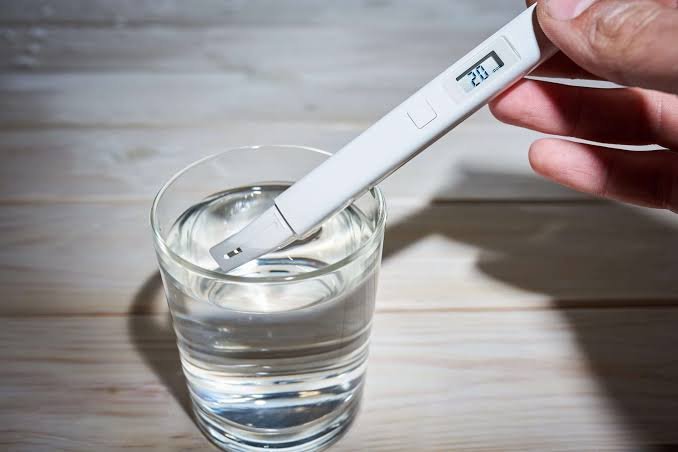
Professional testing helps identify which issues are actually present. Depending on the situation, the process may involve collecting a sample at the property, sending it to a qualified laboratory, or using appropriate field-testing equipment for selected measurements.
For homeowners with private wells, testing deserves particular attention. Groundwater conditions can change after heavy rainfall, flooding, nearby construction, or other environmental events. Regular testing helps establish a baseline and can reveal changes that might otherwise go unnoticed.
Access to on-site and laboratory water testing available services can make it easier to investigate water concerns using the right methods for the situation. On-site measurements may provide useful immediate information, while laboratory analysis can be important for identifying specific contaminants that require more detailed testing.
The tests selected should reflect the water source and the concern being investigated. If the results indicate a potential health risk, follow the laboratory’s guidance and advice from local public-health authorities. Don’t rely on taste or appearance as proof that drinking water is safe.
Finding the Right Solution for Drinking Water
Once you understand what’s in your water, choosing a suitable treatment method becomes much easier. Different systems are designed for different purposes, and a product that works well for one problem may do little to address another.
For example, hard water contains elevated concentrations of calcium and magnesium. These minerals can leave deposits on fixtures, reduce soap performance, and contribute to scale inside water heaters. A water softener is generally used to address hardness, but it isn’t a universal drinking-water purifier.
Taste and odor concerns may call for a different approach. Activated carbon filtration can reduce certain compounds that affect taste and smell, depending on the filter’s design and certification. Sediment filters help capture suspended particles, while other technologies target particular contaminants.
The important thing is to match the technology to the test results. Buying equipment before identifying the problem can lead to unnecessary expenses and a false sense of security.
How Reverse Osmosis Can Improve Drinking Water
Reverse osmosis is a widely used water treatment technology that relies on pressure to move water through a semipermeable membrane. The membrane allows water to pass while reducing many dissolved substances. The exact performance depends on the system, membrane condition, water chemistry, and operating conditions.
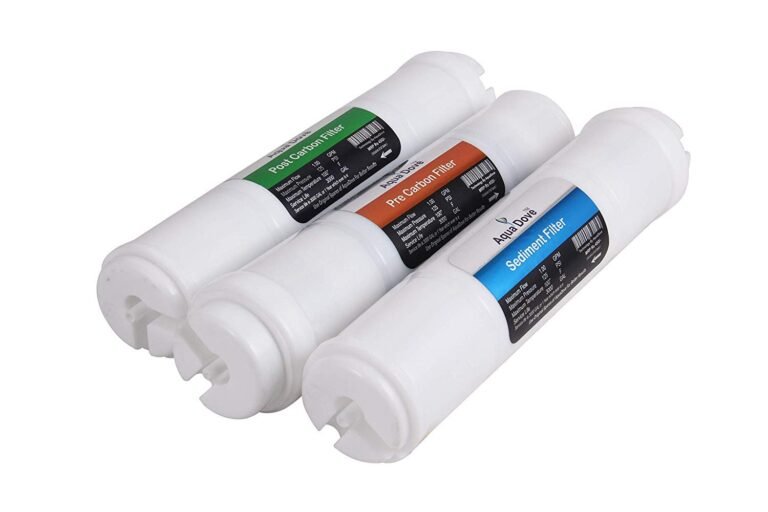
For households concerned about certain dissolved contaminants, reverse osmosis drinking water systems may be worth considering. These systems are often installed beneath a kitchen sink and supply treated water through a dedicated faucet. Some models combine reverse osmosis with sediment and carbon filters to provide several stages of treatment.
However, reverse osmosis isn’t automatically the right choice for every home. It typically produces some wastewater, requires periodic filter and membrane replacement, and may reduce beneficial minerals along with unwanted dissolved substances. Product specifications should clearly identify which contaminants the system is certified to reduce.
Before purchasing a unit, check the available performance data and consider your water pressure, daily drinking-water needs, installation space, and maintenance budget. A properly selected and maintained system can be useful, but the details matter.
Advanced Filtration Goes Beyond One Filter
Sometimes water quality requires more than a basic cartridge filter. Different contaminants may need different treatment methods, and combining technologies can provide a more suitable result when the approach is designed carefully.
For instance, sediment filtration can help protect downstream equipment from particles. Activated carbon may improve taste and odor, while specialized media can address certain substances such as iron or manganese. Ultraviolet treatment can be used to inactivate susceptible microorganisms under appropriate conditions, although it does not remove dissolved chemicals and generally requires suitable pre-treatment.
Well-designed advanced filtration systems are selected according to the water analysis, flow requirements, and intended use. A household seeking better-tasting drinking water may need a relatively simple setup, whereas a property with several identified water-quality concerns could require a more specialized combination of technologies.
Certification is worth checking when comparing products. Independent standards and performance claims can help clarify whether a system has been evaluated for the particular contaminant you want to reduce. Be cautious of broad promises that a filter removes everything. No single system should be assumed to eliminate all possible contaminants.
Installation and Maintenance Make a Real Difference
Even a high-quality filtration unit can underperform if it’s installed incorrectly or neglected. Incorrect connections, unsuitable water pressure, and poorly fitted components may cause leaks or reduce treatment effectiveness.
Professional installation can help ensure that the system suits the plumbing layout and is configured according to the manufacturer’s instructions. It also gives you an opportunity to learn how the equipment works and what routine maintenance involves.
Filters have limited service lives. As they collect particles or adsorb targeted substances, their performance can decline. Reverse osmosis membranes also need attention according to the manufacturer’s schedule and actual operating conditions. Waiting until the water tastes different isn’t a reliable maintenance strategy because some contaminants don’t produce noticeable changes.
Keep track of replacement dates and service visits. If the system has performance indicators, learn what they mean. Depending on the water source and treatment goals, follow-up testing may also be appropriate to confirm that the system continues to deliver the expected results.
Making Water Quality Part of Everyday Care
Better drinking water doesn’t necessarily require a complicated setup. It starts with asking the right questions, testing when needed, and understanding what the results mean. From there, you can compare treatment options based on evidence rather than assumptions.
For one household, a certified carbon filter may be enough to address a taste concern. Another may benefit from reverse osmosis or a more specialized treatment arrangement. Private-well owners may also need routine testing and source-specific precautions to maintain confidence in their supply.
Water quality isn’t something to investigate only when a problem becomes obvious. A thoughtful approach helps you spot changes, avoid unnecessary purchases, and look after the equipment you already own.
In the end, the best water treatment system is the one that addresses your actual needs and can be maintained properly over time. Start with reliable information, seek qualified advice when necessary, and make each decision with a clear purpose. It’s a straightforward way to build greater confidence in the water you use every day.