Good water makes everyday life a little easier. Morning coffee tastes better, soap rinses away properly, and there’s less frustration when stubborn mineral deposits appear on faucets and shower doors. But when you rely on a home water treatment system, getting those benefits isn’t just about choosing the right equipment. Regular care, timely service, and a few simple habits can make a real difference over the years.
For homeowners in North Florida, water quality can vary from one property to another. Some households deal with hard water, while others notice iron staining, unpleasant odors, or concerns related to private wells. Understanding your water and maintaining the equipment that treats it can help you avoid unnecessary expenses and keep your system working as intended.
Why Water Quality Deserves Your Attention
Water travels through different environments before reaching your tap. Depending on the source, it may contain naturally occurring minerals, sediment, or other substances that affect its appearance, taste, and performance around the home.
Hard water is one of the most common frustrations. Calcium and magnesium can leave deposits on plumbing fixtures, reduce the efficiency of water heaters, and make soap less effective. You might notice spots on drinking glasses or find yourself cleaning the shower more often than you’d like.
Other water concerns require a different approach. Iron can leave reddish stains on sinks and laundry, while certain odors may indicate naturally occurring substances or issues that deserve further investigation. Private wells need particular attention because the property owner is generally responsible for monitoring water quality.
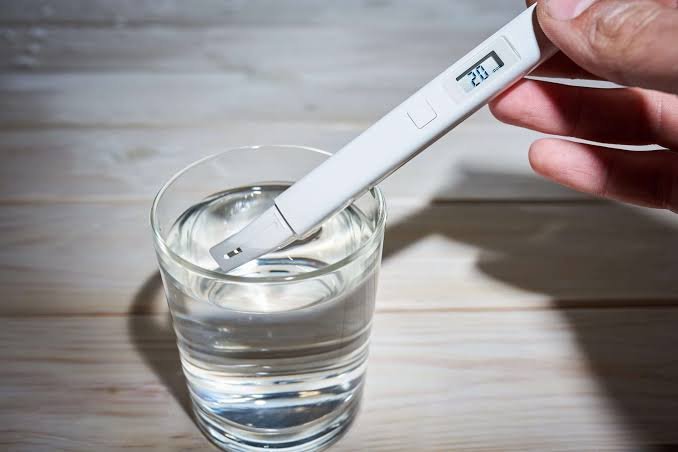
The important thing is not to assume that every problem has the same cause. Testing your water can help identify what needs attention and guide you toward an appropriate treatment solution.
Give Your Water Treatment System Regular Care
Once a water treatment system has been installed, it’s easy to forget about it. The equipment sits in a utility room, garage, or corner of the property, quietly doing its job. Months pass, and everything seems fine. Then the water starts feeling different, or the scale returns.
Routine maintenance helps prevent these surprises.
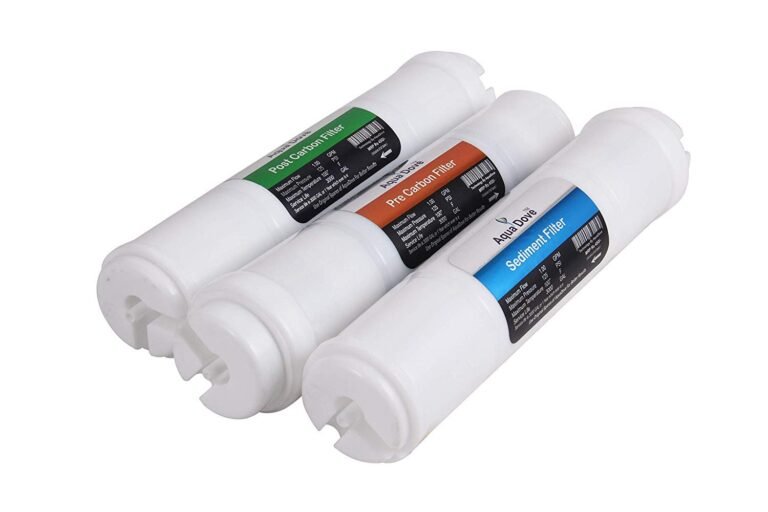
Water softeners, filtration units, and reverse osmosis systems all have different maintenance requirements. Filters may need replacement at specific intervals, softeners require suitable salt supplies, and some equipment benefits from periodic professional inspection. Following the manufacturer’s instructions is the best starting point because service needs vary by model and water conditions.
It’s also worth paying attention to changes in performance. If water pressure drops, unusual noises develop, or the taste and smell change suddenly, don’t simply assume the equipment will correct itself. A clogged filter, a component issue, or a change in the incoming water supply could be responsible.
If the cause isn’t clear, contact ecowater of north florida to discuss your water treatment concerns and learn what service options may be appropriate for your system. Having a professional assess the issue can help you avoid replacing equipment unnecessarily or overlooking a problem that needs attention.
Don’t Let Salt Levels Slip Your Mind
For households using a traditional salt-based water softener, keeping an eye on the salt supply is a small task that can prevent bigger inconveniences.
A softener uses salt during its regeneration process to restore the resin’s ability to remove hardness minerals from water. When the salt supply runs low or the system isn’t regenerating correctly, hard water may begin moving through the plumbing again. The result can be familiar: soap that doesn’t lather as well, mineral deposits on fixtures, and spots on dishes.
Check the brine tank periodically, following the guidance provided for your particular softener. Avoid filling it beyond the recommended level, and use the salt type specified by the manufacturer. If you notice a solid mass of salt or unusual buildup inside the tank, consult the equipment manual or a qualified technician before trying to resolve it yourself.
Of course, remembering to buy salt isn’t everyone’s favorite household chore. Busy schedules have a way of pushing small maintenance jobs to the bottom of the list. Planning ahead can help, particularly if your household uses a significant amount of softened water.
Make Salt Delivery Part of Your Routine
Running out of softener salt at an inconvenient time can be frustrating, especially when you depend on treated water throughout the house. Rather than waiting until the tank is nearly empty, consider arranging deliveries based on your household’s normal usage.
When you get salt delivery through a suitable local service, you may find it easier to keep supplies available without making repeated trips to the store. Delivery arrangements can be particularly useful for older homeowners, busy families, and anyone who would rather spend weekends doing something other than carrying heavy bags of salt.
The right schedule depends on several factors, including the size of the household, water hardness, softener capacity, and overall water consumption. A family of five may use salt much faster than a couple living in the same neighborhood. Your equipment’s settings and regeneration frequency also matter.
Keep in mind that salt delivery supports the maintenance of salt-based softeners; it isn’t necessary for every water treatment system. Salt-free conditioners and other filtration technologies operate differently. If you’re unsure which equipment you have, checking the model information or asking a service professional can clear things up.
Know When It’s Time to Request Service
Some water treatment problems are easy to overlook because they develop gradually. A softener may become less effective over several weeks, or a filter may slowly restrict water flow. By the time the change becomes obvious, the system may have been underperforming for a while.
There are a few signs worth taking seriously:
- Water that suddenly becomes harder or develops an unusual taste or odor.
- A noticeable drop in water pressure at treated fixtures.
- Persistent scale or staining despite normal equipment operation.
- Leaks, error messages, or unusual sounds from the treatment unit.
- A salt tank that doesn’t seem to use salt as expected.
When these problems arise, don’t wait indefinitely to see whether they’ll disappear. If your system needs attention, request service and explain what you’ve noticed, when it started, and whether anything has changed recently. These details can help a technician narrow down possible causes.
For water from a private well, a sudden change in appearance, odor, or taste may also justify additional testing. If contamination is suspected, use an alternative safe water source until the issue has been assessed, and follow local public-health advice.
Small Habits That Help Protect Your Investment
A little organization goes a long way. Keep your equipment manual somewhere accessible, note the date of filter replacements, and save records from maintenance visits. If your system has a digital display or maintenance indicator, check it occasionally rather than waiting for a warning to become urgent.
It’s also useful to know the age of your equipment. Some systems can provide reliable service for many years with appropriate maintenance, while others may eventually become less efficient or costly to repair. Replacement decisions should consider the condition of the unit, available parts, performance, and long-term operating costs—not just its age.
Avoid changing system settings without understanding their purpose. For example, altering a softener’s regeneration settings may affect salt consumption and treatment performance. When in doubt, ask a qualified professional to review the configuration.
Finally, remember that water treatment equipment doesn’t replace water testing. A system can appear to operate normally while failing to address a contaminant it wasn’t designed to remove. Periodic testing remains especially important for private well owners.
Enjoy Better Water With Fewer Surprises
A dependable water treatment system should make daily life easier, not give you another problem to manage. The best way to keep it that way is to combine sensible maintenance with timely service and a reliable supply of the materials your equipment needs.
Start by understanding your water, follow the manufacturer’s maintenance recommendations, and pay attention when something changes. If you use a salt-based softener, keep the salt supply on schedule. If the equipment starts showing signs of trouble, get the issue checked before it becomes more expensive or inconvenient.
For North Florida homeowners, these simple habits can help protect their investment and support consistent water quality throughout the home. You don’t have to become a water treatment expert overnight. A little attention, the right support, and a practical maintenance routine can go a long way toward keeping good water flowing.