Picking from the best ecommerce platforms available today feels overwhelming, mostly because every platform’s marketing page claims to be perfect for everyone. They’re not. Each has genuine trade-offs worth understanding before you commit.
Quick Answer
Among the best ecommerce platforms in 2026, Shopify suits beginners wanting ease of use, WooCommerce suits those wanting more customization on a budget, and marketplaces like Amazon or Flipkart suit sellers wanting instant access to existing customer traffic.
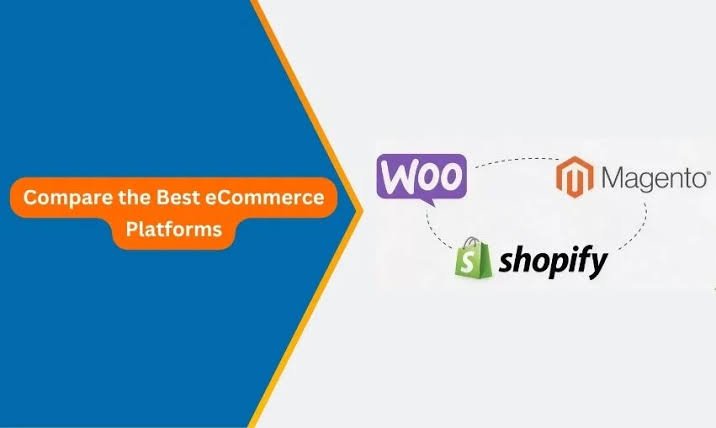
1. Shopify
Easily the most beginner-friendly option, with guided setup, built-in payment processing, and a huge app ecosystem for adding features without coding.
- Pros: Easy setup, reliable uptime, strong support, scalable as you grow
- Cons: Monthly subscription plus transaction fees can add up, less flexible for highly custom needs
2. WooCommerce
A WordPress plugin that turns any WordPress site into a store. Highly customizable and generally cheaper long-term, but requires more technical comfort or a developer’s help.
I’ve noticed businesses with some existing WordPress presence often prefer WooCommerce since it integrates naturally with content they’re already managing.
3. Amazon / Flipkart (Marketplaces)
Instant access to millions of existing shoppers, without needing to build your own traffic from scratch.
Picture a small spice brand that launched exclusively on Amazon first, benefiting from existing search traffic for “organic spices” without spending a rupee on their own website or ads initially. Once they built a customer base and reviews, they later launched a dedicated website too.
- Pros: Massive existing traffic, built-in trust from the platform’s reputation
- Cons: High competition, platform fees, limited control over branding and customer relationships
4. Etsy (For Handmade/Niche Products)
Particularly strong for handmade, vintage, or craft-style products, with a built-in audience specifically looking for unique items rather than mass-produced goods.
5. Wix / Squarespace
Good middle-ground options for small stores that also need strong general website design — useful if e-commerce is just one part of a broader business website.
Factors to Consider When Choosing
- Technical comfort — How much coding or setup complexity can you realistically manage?
- Budget — Monthly subscription costs versus one-time or lower ongoing fees
- Customization needs — How unique does your storefront experience need to be?
- Existing traffic needs — Are you starting from zero, or do you need a platform’s built-in audience?
- Scalability — Will this platform handle your business as it grows to hundreds or thousands of orders?
Common Mistakes When Choosing a Platform
- Choosing based purely on lowest upfront cost without considering long-term scalability
- Ignoring how well the platform integrates with local payment gateways
- Underestimating the learning curve for more customizable options like WooCommerce
- Relying entirely on a marketplace without building any owned customer channel (email list, own website)
FAQ
Which e-commerce platform is cheapest for a small business? WooCommerce is often cheaper long-term since it avoids high monthly subscription fees, though it requires more setup effort initially.
Is Shopify worth the monthly cost for a small business? For many, yes — the ease of setup and reliability often justifies the cost, especially for those without technical expertise.
Can I sell on multiple platforms at once, like Shopify and Amazon together? Yes, many successful sellers use a multi-channel approach, listing on marketplaces while also maintaining their own branded website.
Do marketplaces like Amazon take a large cut of sales? Yes, marketplace fees can be significant, often including referral fees, fulfillment costs, and advertising costs if you want visibility.
Which platform is best for handmade or niche craft products? Etsy tends to work particularly well for handmade and niche craft products due to its built-in, relevant audience.
Conclusion
There’s no single winner among the best ecommerce platforms — the right choice depends entirely on your technical comfort, budget, and whether you need built-in traffic or full brand control. Start with the platform that matches your current stage, and don’t be afraid to expand to a second channel once you’ve validated demand.