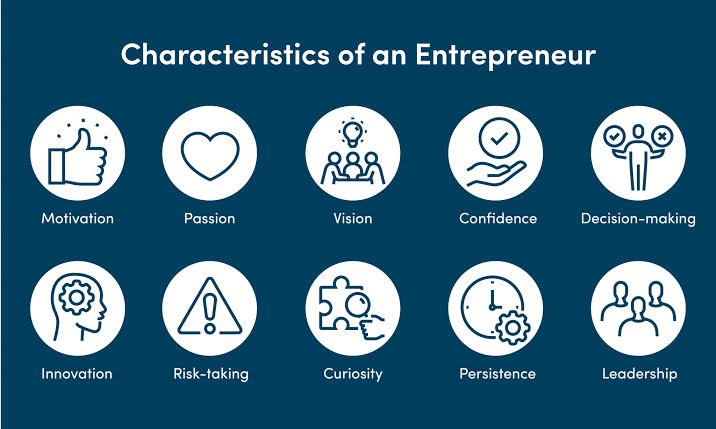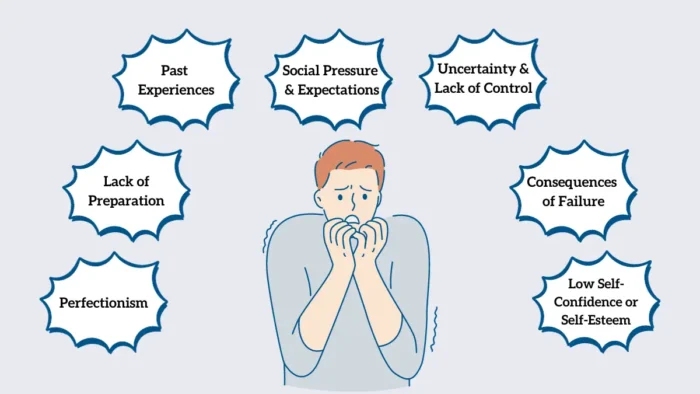
Nobody talks about this enough. Fear of failure entrepreneurship struggles are almost universal, yet founders rarely admit it publicly — everyone’s too busy posting highlight reels on LinkedIn.
The Quick Answer
Managing fear of failure in entrepreneurship comes down to reframing failure as data rather than identity, taking smaller reversible risks, and building a support system that doesn’t tie your self-worth to business outcomes.
Why This Fear Hits Founders Especially Hard
When you start a business, your identity gets tangled up with it fast. A failed product launch doesn’t just feel like a bad quarter — it feels personal. That’s the trap.
I’ve noticed the founders who last longest are the ones who separate “the business struggled” from “I am a failure.” Those are two very different sentences, even if they feel identical at 2 AM.
Step 1: Reframe What Failure Actually Means
Most failures in business are just expensive lessons, not verdicts on your worth. A failed marketing campaign tells you something about your audience. A failed product tells you something about the market. That’s useful information, not a personal indictment.
Step 2: Take Smaller, Reversible Bets
Instead of betting everything on one big launch, break decisions into smaller experiments. Test with 50 customers before scaling to 5,000. Smaller bets mean smaller failures, which are far easier to recover from emotionally and financially.
Picture a founder scared to launch her skincare brand because of one bad past experience with an online store that failed. Instead of building a full catalog again, she launched with just three products on Instagram. Small enough that a flop wouldn’t wreck her finances or her confidence.
Step 3: Talk to Other Founders Who’ve Failed
This helps more than most people expect. Hearing someone else’s failure story out loud — and seeing they’re still functioning, still building — normalizes the fear in a way no self-help book manages to.
Step 4: Separate Your Identity From the Business
Your business can fail. You, as a person, still have skills, relationships, and worth completely separate from that outcome. This sounds obvious written down, but it’s genuinely hard to internalize when you’re in the middle of it.
Step 5: Build a Financial Cushion Where Possible
A big part of this fear is practical, not just emotional — the fear of losing money you need. Where possible, keep some personal runway separate from business finances so a setback doesn’t threaten your basic stability.
What NOT to Do
- Don’t avoid decisions entirely just to sidestep possible failure — that’s its own form of failure
- Don’t compare your journey to filtered success stories online
- Don’t isolate yourself; founders who talk about struggles recover faster than those who bottle it up
FAQ
Is fear of failure common among entrepreneurs, or am I unusual for feeling this? It’s extremely common — most founders experience this, even the ones who appear confident publicly. You’re not the exception.
Does this fear ever go away completely? Not entirely, but it becomes more manageable with experience and smaller, calculated risk-taking over time.
Should I avoid big decisions if I’m scared of failing? No — avoiding decisions is its own quiet form of failure. Break big decisions into smaller, testable steps instead.
How do successful founders deal with public failure? Many reframe it publicly as a lesson rather than hiding it, which oddly enough often builds more trust with their audience.
Can therapy or coaching help with entrepreneurial fear of failure? Yes, many founders find structured support genuinely useful for separating business outcomes from personal identity.
Conclusion
Fear of failure doesn’t disappear just because you built a successful company — it just gets quieter with practice. Start small, keep your identity separate from your business results, and talk to other founders who’ve been through the same fear. That combination does more for confidence than any motivational quote ever will.