There’s this myth that certain people are just “born” for business. I don’t buy it. Most traits of successful entrepreneurs are habits built over time, often through failure, not some genetic gift handed out at birth.
The Short Answer
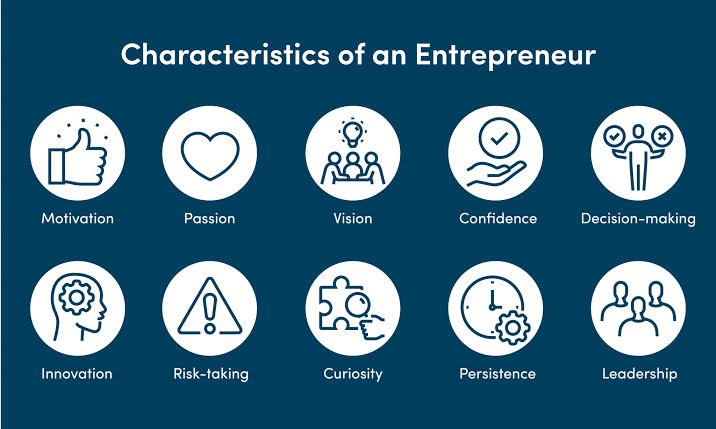
The core traits of successful entrepreneurs include resilience, comfort with uncertainty, strong decision-making under limited information, adaptability, and consistent execution over long periods — not raw talent or luck.
1. Resilience (The Non-Negotiable One)
Every founder I’ve read about or spoken to has a rejection story. What separates the ones who made it isn’t that they avoided failure — it’s that they kept going after it.
Picture a founder whose first two ventures shut down within a year each. His third attempt, a small logistics startup, is now profitable. He didn’t get smarter overnight. He just refused to quit after the first two hits.
2. Comfort With Uncertainty
Entrepreneurship rarely offers clean answers. You’ll make decisions with 60% of the information you’d like to have. Successful founders get comfortable moving forward anyway.
3. Obsessive Customer Focus
The best entrepreneurs talk to customers constantly, not just at launch. They treat feedback as data, not criticism to defend against.
4. Financial Discipline
This one’s underrated. I’ve seen more businesses die from poor cash flow management than from bad products. Understanding your numbers — even basic ones — matters more than most founders admit early on. [link to related guide on basic accounting principles here]
5. Adaptability Without Losing Focus
There’s a fine line between pivoting smartly and chasing every shiny opportunity. Successful entrepreneurs adapt their approach while staying anchored to their core mission.
6. Strong Networks
Nobody builds a real business entirely alone, despite what solo-founder success stories suggest. Mentors, peers, and even competitors often become sources of critical advice.
Traits That Are Often Overrated
- Being the smartest person in the room (collaboration beats individual brilliance)
- Working 100-hour weeks constantly (burnout kills more businesses than slow growth does)
- Having a “perfect” business plan (plans change; execution matters more)
How to Build These Traits If You Don’t Have Them Yet
- Start small — take one uncomfortable decision weekly and follow through
- Track your numbers monthly, even informally
- Talk to five customers a month, minimum
- Read failure stories, not just success ones — they teach more
FAQ
Can these entrepreneurial traits actually be learned, or are some people just naturally better at it? They can absolutely be learned. Most successful founders describe developing these traits through repeated failure and deliberate practice, not natural talent.
Is risk-taking really necessary to succeed as an entrepreneur? Calculated risk-taking, yes — but reckless risk-taking often backfires. The best founders take measured risks backed by some validation.
Do successful entrepreneurs share a specific personality type? Not really. Introverts and extroverts both succeed; what matters more is consistency and customer focus, not personality.
How important is confidence for entrepreneurs? Useful, but overrated compared to humility and willingness to change course when evidence says you’re wrong.
What’s the biggest trait gap for first-time founders? Financial discipline, usually — many first-timers focus entirely on the product and ignore cash flow until it’s a crisis.
Conclusion
None of these entrepreneurial traits require some special upbringing or inherited talent. They’re built through repetition, mistakes, and a stubborn refusal to quit too early. Pick one trait from this list you’re weakest at, and work on it deliberately this month — that’s a better use of time than waiting to “feel ready.”