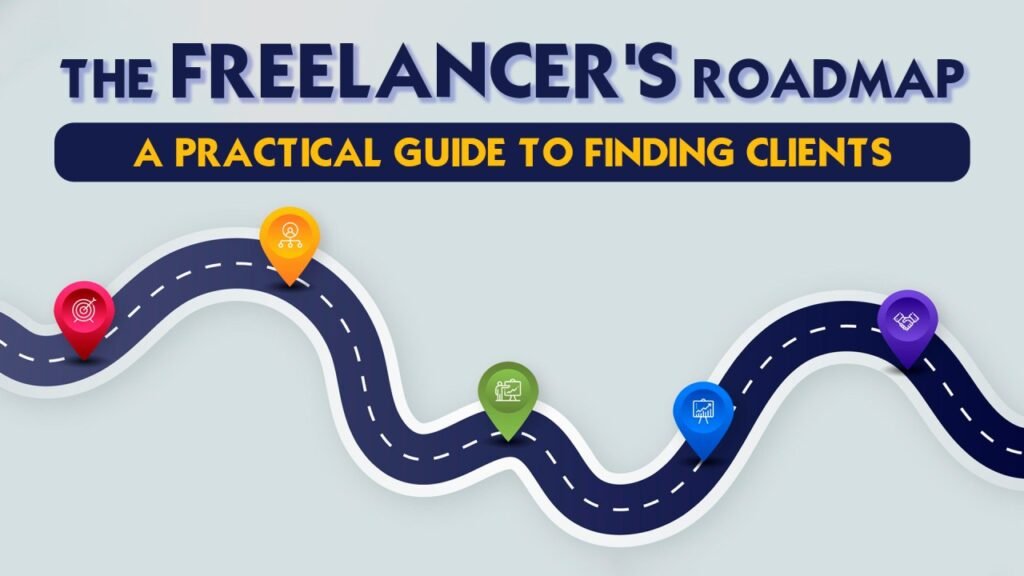
The hardest part of freelancing usually isn’t the actual work — it’s figuring out how to find freelance clients in the first place, especially with zero portfolio or reviews to show at the very start.
Quick Answer
To find freelance clients as a beginner, focus on freelance marketplaces for your first reviews, direct outreach to small businesses in your niche, leveraging your existing network, and building a small portfolio through discounted or free initial projects.
1. Start on Freelance Marketplaces (Even If Fees Feel High)
Platforms like Upwork, Fiverr, and Freelancer take a cut of your earnings, but they solve the biggest early problem — access to clients actively looking to hire, without needing your own audience yet.
I’ve noticed beginners often dismiss these platforms because of the fees, but the real value early on is building reviews and a track record, not maximizing margin on your very first few projects.
2. Do a Few Discounted Projects for Portfolio Building
Charging less (not free, ideally) for your first few clients in exchange for genuine testimonials and portfolio pieces is a reasonable trade-off early on. Just be clear this is a limited-time introductory approach, not your standard ongoing rate.
3. Reach Out Directly to Small Businesses
Cold outreach works better than most beginners expect, especially when it’s specific and personalized. Look at a business’s current website or social media, identify a genuine gap, and offer a specific solution rather than a generic pitch.
Picture a beginner freelance video editor who messaged twenty small local businesses with a specific, personalized note about their Instagram Reels quality, along with one free sample edit for each. Three responded, and two became paying, ongoing clients within a month.
4. Leverage Your Existing Network First
Before cold outreach, tell people you actually know — friends, family, former colleagues — exactly what you’re offering. Referrals from your existing network often convert far faster than strangers, since trust is already established.
5. Build a Simple Portfolio Site or Page
Even a basic one-page site with three to five sample projects and clear contact information builds significant credibility compared to having no visible portfolio at all.
6. Use LinkedIn Actively, Not Just Passively
Posting about your work, commenting genuinely on relevant posts, and connecting directly with potential clients in your niche can generate inbound interest over time, especially in B2B freelance niches.
7. Ask Every Happy Client for a Referral
Satisfied clients are often happy to refer you elsewhere, but most won’t think to do so unless you actually ask. A simple, polite request after a successful project goes a long way.
Where to Find Freelance Clients (Quick List)
- Upwork, Fiverr, Freelancer (marketplaces)
- LinkedIn direct outreach and content posting
- Local business Facebook and WhatsApp groups
- Referrals from existing clients and personal network
- Niche-specific communities and forums related to your skill
FAQ
How long does it typically take to find your first freelance client? It varies, but many beginners find their first paying client within two to six weeks with consistent, focused outreach effort.
Is it worth using freelance marketplaces despite the fees? Yes, especially early on — the access to actively hiring clients and the ability to build reviews often outweighs the fee cost initially.
Should I lower my rates significantly to attract my first clients? A modest introductory discount is reasonable, but avoid pricing so low it attracts clients who won’t value your work properly later.
How do I stand out when reaching out to potential freelance clients? Personalize every outreach message with something specific about their business, rather than sending the same generic pitch to everyone.
Is LinkedIn effective for finding freelance clients? Yes, particularly for B2B freelance work — consistent posting and genuine engagement can generate meaningful inbound interest over time.
Conclusion
Learning how to find freelance clients as a beginner takes a mix of patience and consistent, targeted outreach — marketplaces, direct pitches, and your existing network all play a role. Start with whichever feels most accessible right now, and don’t wait for the “perfect” portfolio before reaching out.