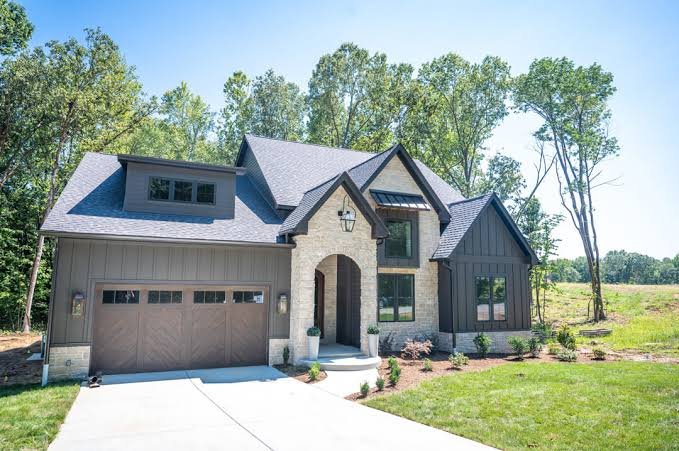
A home can look beautiful in photographs and still feel awkward to live in. Maybe the kitchen has plenty of counter space but nowhere to put the things you use every day. Perhaps the living room looks polished, yet nobody naturally settles there in the evening. These little frustrations are easy to overlook when you’re focused on colours, furniture, and finishes, but they often reveal what a home really needs.
Good residential design starts by looking beyond appearances. It considers how people move through their rooms, what makes them comfortable, and which details will continue to matter years after a project is finished. Whether you’re planning a new house or rethinking a familiar space, the most satisfying results usually come from combining a clear vision with practical decisions.
It’s not about creating a perfect home that never changes. It’s about creating a place that feels right for the people who call it home.
A Design Plan That Connects the Whole Home
When a project involves several rooms, it’s tempting to treat each one as a separate decorating exercise. The kitchen gets its own colour scheme, the living room follows a different inspiration board, and the bedrooms develop their own identities. Individual rooms may look attractive, but the house can end up feeling disconnected.
A stronger approach considers the home as a whole. That doesn’t mean every room must use the same finishes or repeat the same design features. Instead, there should be a sense of continuity in the materials, proportions, colours, and overall atmosphere.
For example, natural wood might appear in kitchen cabinetry, a living-room console, and bedroom furniture, but in different forms. A consistent palette of warm neutrals could connect the spaces while allowing artwork, textiles, and personal objects to bring in character. The result feels cohesive without becoming repetitive.
This is one reason full-service design can be valuable for larger projects. When planning, selections, furnishings, and installation are considered together, each decision can support the bigger picture. It also reduces the risk of choosing an individual feature that looks wonderful on its own but doesn’t work with the rest of the home.
Building Around Real Life, Not Just Inspiration
Inspiration is a useful starting point, but everyday routines should guide the final choices. A family that cooks together may need generous preparation space and storage that keeps frequently used items within easy reach. Someone who works from home might value quiet surroundings, good task lighting, and a desk that doesn’t dominate the room when the workday ends.
These needs can influence the layout as much as the decorative details. A wide hallway may be more useful than an extra cabinet. A comfortable chair beside a window may become the most loved spot in the house, even if it wasn’t part of the original plan.
It helps to think about the ordinary moments that happen in each room. Where do bags and shoes collect when everyone comes home? Does the dining table need to accommodate homework as well as dinner? Is there enough space for guests without moving half the furniture around?
Questions like these aren’t glamorous, but they lead to decisions that make a noticeable difference. The best interiors rarely demand that people change their habits to suit the design. They make those habits easier to accommodate.
Custom Homes Need a Clear Point of View
Designing a home from the beginning offers a wonderful opportunity to shape the layout around specific needs. It also brings a long list of choices, from room proportions and window placement to storage, lighting, finishes, and outdoor connections. Without a clear direction, the process can quickly become overwhelming.
For custom homes, early planning is particularly important because decisions made during the design stage can affect comfort and functionality for decades. The position of a window influences natural light throughout the day. Ceiling heights affect the feeling of a room. The relationship between the kitchen, dining area, and outdoor space can shape how easily a household gathers.
It is worth considering how the home might change over time, too. A spare room may eventually become a nursery, guest bedroom, or office. Storage that feels generous today may become essential as a household grows. Flexible spaces can help a home adapt without requiring major alterations every few years.
Personalisation doesn’t mean adding a special feature to every corner. Sometimes the most thoughtful choice is a simple layout, durable materials, and enough room for the people living there to make the space their own.
Making an Existing Home Work Better
Not every design project starts with an empty plot or a blank floor plan. Many homeowners love their neighbourhood, appreciate the character of their property, and simply need the house to work better than it does now.
Older homes can have qualities that are difficult to reproduce, such as established gardens, interesting architectural details, or rooms with a particular sense of proportion. At the same time, their layouts may not suit modern routines. Kitchens can feel isolated, storage may be limited, and lighting may be inadequate in areas used throughout the day.
Thoughtful remodels can help address these issues without stripping away the character that made the property appealing in the first place. Sometimes opening up a connection between rooms makes the house feel more welcoming. In other cases, keeping the original layout while improving storage, lighting, and finishes is the smarter choice.
Before deciding what to remove or replace, it helps to understand what already works. A beautiful old doorway, a well-positioned window, or original woodwork may deserve to remain part of the design. Retaining these details can give a renovated home a sense of history rather than making it feel entirely new and unfamiliar.
Materials and Finishes That Stand the Test of Time
Material selection is often where a design begins to feel tangible. Samples of stone, wood, fabric, tile, and paint make it easier to imagine the finished rooms. But choosing materials is about more than finding the prettiest option.
Think about maintenance, durability, comfort, and how a surface will look as it ages. A pale fabric may be lovely in a rarely used formal room but less practical on the main family sofa. Natural stone can bring texture and depth, although different varieties require different levels of care. Flooring should suit the traffic it will receive, not just the colour palette.
Lighting matters just as much. A finish that looks warm in a showroom may appear cooler under different bulbs or in a room with limited daylight. Reviewing samples in the actual space, at different times of day, can prevent expensive disappointment.
There is no single material that works for every home. The right choices depend on the household, the architecture, and the level of maintenance people are comfortable managing.
Bringing the Vision to Life
Even a carefully considered design needs good coordination to become reality. Measurements must be accurate, orders placed at the right time, and installers given clear information. Changes can happen, particularly during renovation work, so keeping track of decisions and discussing their consequences is essential.
Homeowners should feel comfortable asking questions about schedules, costs, and the purpose of each design choice. Clear communication doesn’t remove every challenge, but it makes challenges easier to manage. It also helps everyone stay focused on the same outcome.
The final stages deserve patience. Furniture may need repositioning, artwork might look better on another wall, and lighting may require a small adjustment. These finishing decisions can seem minor after a long project, yet they often determine whether a room feels merely complete or genuinely comfortable.
A Home That Continues to Feel Like Yours
A successful home isn’t frozen in time. It changes as people grow, routines shift, and new memories find their place. The design should provide a strong foundation without making those changes difficult.
That is why thoughtful planning matters more than chasing a particular look. When the layout supports daily life, the materials suit the household, and the rooms reflect personal preferences, beauty becomes part of the experience rather than something that exists only for display.
Start with the way you want to live, be honest about what needs improvement, and give the important decisions time. A home shaped around real life doesn’t have to be extravagant or flawless. It simply needs to feel welcoming, work well, and leave room for the moments that make it yours.