Most businesses don’t think much about their water treatment equipment when everything is working as it should. The water tastes fine, machines are running, and nobody is complaining about strange odors or mineral deposits. It’s easy to assume the system will keep doing its job without much attention.
Then a filter becomes clogged, water pressure drops, or a piece of equipment starts collecting scale again. Suddenly, a small maintenance task turns into an inconvenient interruption.
The truth is that commercial water treatment systems need regular attention to perform reliably. Whether a business operates a restaurant, hotel, office building, or manufacturing facility, a sensible care routine can help reduce avoidable breakdowns, control operating costs, and maintain consistent water quality. It doesn’t have to be complicated, either. Often, the biggest improvements come from paying attention to the little things before they become expensive problems.
Why Regular Maintenance Matters
Water treatment equipment works by filtering particles, reducing certain dissolved substances, managing hardness, or controlling other water-quality concerns. Over time, the components responsible for these tasks can become less effective.
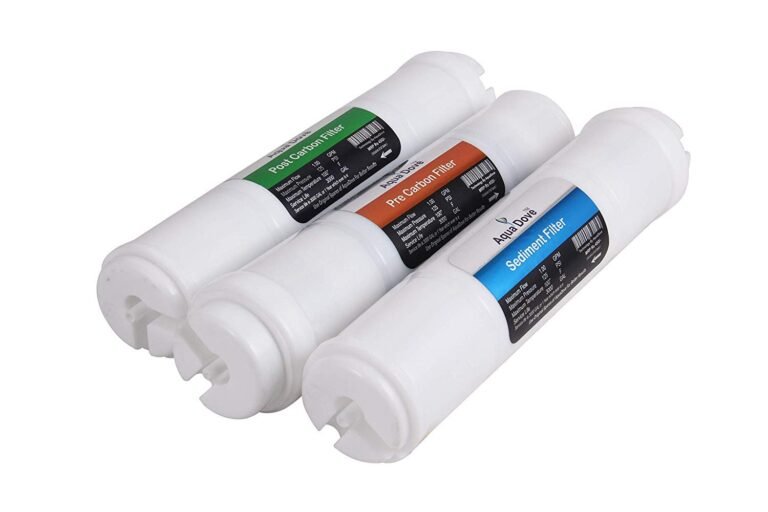
Sediment filters gradually collect debris. Activated carbon filters can lose their ability to reduce targeted contaminants once their useful capacity is reached. Water softeners may need servicing or adjustments, while reverse osmosis systems require attention to membranes, prefilters, pressure, and water flow.
When maintenance is overlooked, the results aren’t always obvious at first. Water may still look perfectly clear even though a filter has reached the end of its useful life. In other cases, reduced flow, unusual taste, or scale buildup provides an early warning that something needs checking.
A planned approach to ongoing maintenance helps businesses identify these changes before they interfere with daily operations. Instead of waiting for a failure, staff can follow a schedule based on the manufacturer’s recommendations, actual water conditions, and the amount of water being treated.
That small shift in mindset can make equipment easier to manage and reduce the number of unpleasant surprises.
Know What Your System Needs
Not all water treatment systems require the same care. A simple sediment filter has different service requirements from a commercial reverse osmosis unit or a large-scale softening system.
Start by reading the manufacturer’s instructions and understanding the main components. Find out which filters need replacing, whether the system requires periodic cleaning, and which indicators should be monitored. Keep the user manual somewhere accessible rather than leaving it in a box after installation.
Replacement schedules deserve particular attention. Some filters are rated for a certain period, while others have a recommended capacity measured in gallons or liters. Actual service life depends on incoming water quality and usage, so a busy restaurant may need replacements more frequently than a small office.
Avoid replacing parts based solely on guesswork, but don’t extend their service life beyond the manufacturer’s recommendations either. If the system includes a warning light or monitoring display, learn what it means and what action is required.
It’s also helpful to maintain a simple service log. Record installation dates, filter changes, inspections, and any recurring problems. A spreadsheet or even a notebook can be enough. When a problem returns, these records may help identify a pattern that would otherwise be easy to miss.
Protect Equipment From Scale and Sediment
Mineral scale is a familiar headache in many commercial settings. Hard water can leave deposits inside pipes, boilers, dishwashers, water heaters, and other equipment that heats or uses water regularly.
As deposits accumulate, heat-transfer surfaces may become less efficient, and certain components may need more frequent cleaning or repair. The extent of the problem depends on water hardness, temperature, equipment design, and operating conditions.
Sediment presents a different challenge. Sand, rust particles, and other suspended material can clog filters, restrict flow, or interfere with sensitive equipment. Appropriate pretreatment may help reduce these issues, but the system must be selected according to the actual water conditions.
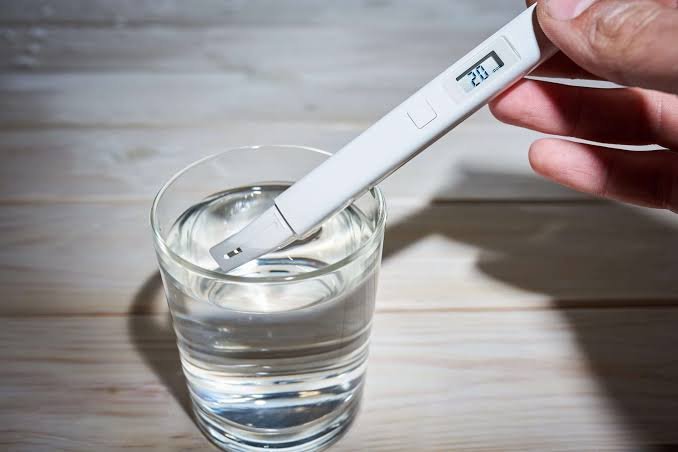
To protect your equipment, begin by understanding the specific problem rather than automatically installing additional filters. Water testing can identify hardness and other relevant characteristics, helping a qualified professional recommend an appropriate solution.
For some facilities, water softening may help control scale. Others may benefit from sediment filtration, reverse osmosis, or a combination of treatment stages. No single technology is right for every application, and unnecessary treatment can increase costs without delivering meaningful benefits.
Regularly inspect accessible connections and check for leaks, unusual noises, and changes in pressure. If scale returns soon after cleaning, investigate the underlying water conditions instead of repeatedly treating the symptoms.
Consistent Water Quality Supports Better Results
Water doesn’t just keep equipment running. In many businesses, it directly influences the final product or the customer’s experience.
Consider a café where the taste of coffee changes from one week to the next. Water chemistry may be one factor affecting extraction and flavor. In a hotel, mineral deposits can leave spots on glassware and fixtures. In a manufacturing facility, water quality may influence rinsing, surface cleanliness, or the performance of a particular production process.
These examples show why water treatment should be viewed as part of operational quality control, not merely a plumbing concern.
Maintaining product quality often means keeping water conditions within a suitable range for the application. That may involve checking hardness, dissolved solids, pH, or other parameters relevant to the process. The right measurements depend on what the business produces and which water characteristics affect the outcome.
Where consistency is especially important, consider keeping records of water test results and process performance. If a batch turns out differently or equipment begins behaving unexpectedly, those records can help narrow down the possible causes.
Water treatment isn’t the only factor affecting product quality, of course. Staff procedures, raw materials, equipment settings, and environmental conditions matter too. Still, reliable water control removes one potential source of variation.
Watch for Early Warning Signs
A treatment system rarely fails without giving some indication that something has changed. The signs may be subtle, though, and staff need to know what to look for.
Common warning signs include:
- A noticeable reduction in water flow or pressure.
- Filters that clog more quickly than usual.
- Unexpected changes in taste, smell, or appearance.
- Scale returning on equipment despite existing treatment.
- Water leaks around fittings, housings, or connections.
- Unusual noises or repeated system alarms.
None of these symptoms automatically proves that water is unsafe. However, they indicate that the equipment or water supply may need investigation.
If the water changes suddenly or contamination is suspected, don’t rely on a filter change alone. Contact the relevant water provider or a qualified water-treatment professional, and follow local public-health advice where necessary.
Staff should also know when not to attempt repairs. Electrical components, pressurized housings, chemical treatment systems, and specialized commercial equipment may require trained technicians. A quick improvisation can create more trouble than it solves.
Make Maintenance Easier for Everyone
The best maintenance plan is one that people can actually follow. If the process is too complicated, tasks are more likely to be delayed or forgotten.
Assign responsibility for routine checks and make the schedule visible to the people who need it. Keep approved replacement filters and essential consumables available when practical, especially if the business depends heavily on treated water throughout the day.
For larger installations, consider arranging preventive service visits with a qualified provider. A technician can inspect components, check operating conditions, and identify wear that may not be obvious during everyday use.
Budget for maintenance from the beginning. Replacement parts, labor, water consumption, and periodic testing all contribute to the real cost of operating a treatment system. Planning for these expenses is usually easier than dealing with an unexpected repair during a busy period.
A Little Attention Goes a Long Way
Commercial water treatment doesn’t need constant worry, but it does need a sensible routine. Understand the equipment, follow its maintenance instructions, monitor water quality where appropriate, and investigate changes before they become recurring problems.
Most importantly, remember that a treatment system is part of a larger operation. Its performance affects equipment reliability, staff efficiency, customer experience, and sometimes the consistency of the products a business delivers.
With regular inspections and timely servicing, businesses can make more informed decisions, reduce avoidable interruptions, and get better value from their investment. A few simple checks today may prevent a much bigger headache tomorrow—and that’s a worthwhile return on the time spent.