Clean water is one of those things we rarely think about until something goes wrong. We turn on the kitchen tap, fill a glass, wash vegetables, or make a cup of tea without giving much thought to the system working behind the scenes. But a home water filtration system needs a little attention to keep doing its job properly. Like any household equipment, it performs best when small issues are addressed before they become expensive problems.
The good news is that maintaining a water treatment system doesn’t have to be complicated. A few sensible habits, timely checks, and an understanding of when to call a professional can help protect your investment and keep your household water dependable.
Why Water Filtration Maintenance Matters
Water filters collect unwanted particles, reduce certain contaminants, and improve the taste or smell of water, depending on the technology used. Over time, however, the materials inside those filters become less effective. Sediment builds up, carbon media loses its ability to adsorb impurities, and membranes can gradually become clogged.
When maintenance is neglected, the results aren’t always obvious at first. Water may still look clear, yet the system might no longer perform as intended. You could notice a slower flow from the tap, unusual tastes, or more frequent changes in water pressure.
Routine care helps prevent these problems. It also makes it easier to identify worn components, loose connections, and other issues while they’re still manageable. Think of it as looking after an appliance that quietly supports your family’s everyday comfort.
Know When Your Filters Need Attention
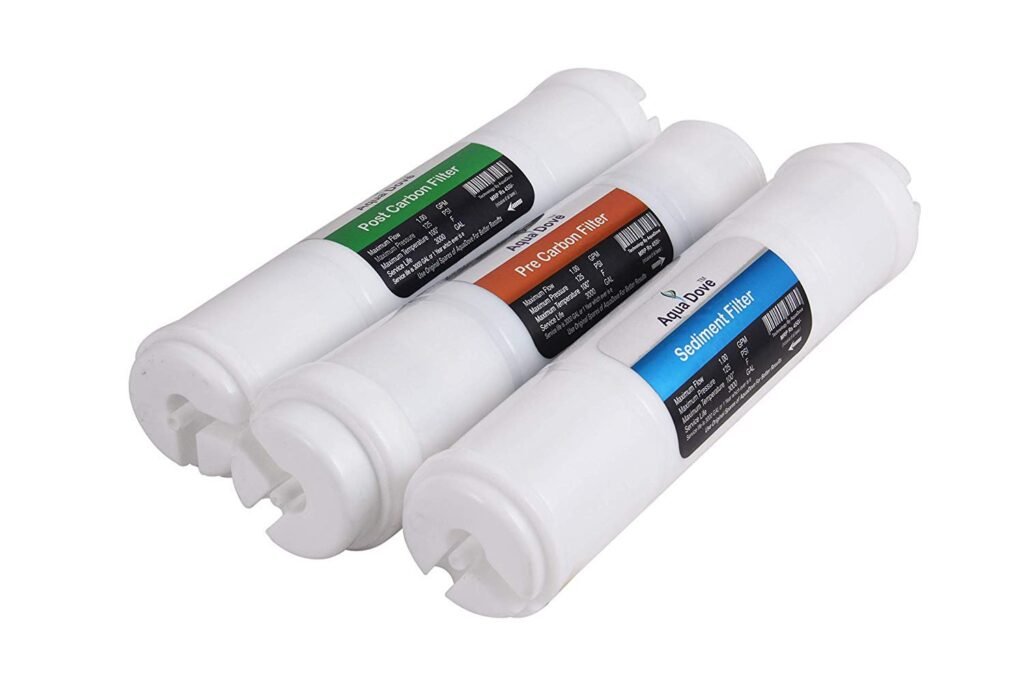
One of the simplest ways to maintain a filtration system is to follow the manufacturer’s recommended replacement schedule. Different filters have different lifespans, and the right interval depends on the filter type, water quality, and how much water your household uses.
For instance, a home with several occupants may use its filtration system far more heavily than a small household. Water with a high sediment content can also shorten filter life. Waiting until the water tastes strange isn’t a reliable strategy, because some contaminants don’t produce noticeable changes in taste, colour, or odour.
Timely filter replacement helps maintain the performance the system was designed to deliver. Keep a note of installation dates, check the manufacturer’s instructions, and pay attention to any built-in indicator lights or alerts. These reminders can take the guesswork out of routine care.
It’s also important to use compatible replacement cartridges. A filter that fits physically may not provide the correct filtration performance. When in doubt, check the model number and specifications before purchasing a new cartridge.
Pay Attention to Changes in Water Flow
A noticeable drop in water pressure can be an early sign that a filtration system needs attention. Clogged cartridges are one possible cause, but they’re not the only explanation. A partially closed valve, a kinked hose, mineral deposits, or a problem with the home’s plumbing may produce similar symptoms.
Start with the basics. Check that the system’s valves are open and look for visible kinks or damage in accessible tubing. If your unit has a pressure gauge, compare the reading with the manufacturer’s guidance. Avoid dismantling pressurised equipment or opening components you’re unfamiliar with.
Changes in flow can also help you understand how your system behaves over time. If the water starts running slowly much sooner than expected after each cartridge change, the incoming water may contain more sediment than the system was designed to handle. A professional can help determine whether a prefilter or another adjustment would be useful.
Don’t Ignore Small Leaks or Unusual Noises
A few drops beneath a filtration unit might not seem urgent, especially when the system still produces water. Yet even a minor leak can damage cabinets, flooring, or nearby electrical equipment if it continues unnoticed.
Inspect accessible fittings, hoses, and the area around the filter housing occasionally. Look for damp patches, mineral residue, corrosion, or signs of swelling in wooden surfaces. If the unit begins making unfamiliar noises, check the user manual before assuming something serious has happened.
Some systems make normal sounds during flushing or regeneration. Others may produce unusual noises when a valve, pump, or connection isn’t functioning properly. Understanding the difference can save you unnecessary worry.
If you find an active leak, follow the manufacturer’s instructions for shutting off the water supply. Don’t attempt repairs that require specialist knowledge, particularly if the system is electrically powered or connected to a complex plumbing arrangement.
When Professional Repairs Make Sense
Basic visual checks are useful, but some problems need a trained technician. Persistent leaks, repeated pressure changes, electrical faults, damaged housings, and unusual system behaviour deserve closer attention. Continuing to operate faulty equipment can make the problem worse.
Professional system repairs may involve replacing worn seals, correcting faulty connections, servicing valves, or addressing problems with pumps and other internal components. The right solution depends on the system’s design and the underlying cause, so an accurate diagnosis matters more than simply replacing parts until the problem disappears.
Before arranging a service visit, write down what you’ve noticed. Has the water flow changed gradually or suddenly? Does the issue affect every tap or just one? Did it begin after a cartridge change or a plumbing repair? These details can help the technician investigate more efficiently.
It’s wise to choose someone familiar with your specific filtration technology. Reverse osmosis units, water softeners, ultraviolet treatment systems, and whole-house filters each have different maintenance requirements.
Make Annual Maintenance Part of Your Routine
A yearly review is a convenient opportunity to look at the system as a whole rather than focusing only on individual filters. Depending on the equipment, a technician may inspect connections, check operating pressure, examine valves, review electronic controls, and assess whether the system is producing water at its expected rate.
Scheduling annual maintenance can also help identify ageing components before they fail. Some systems require periodic sanitisation, membrane checks, resin servicing, or calibration. Others need only a straightforward inspection and a review of their replacement schedule.
Keep realistic expectations, though. An annual visit doesn’t mean every component should automatically be replaced. Maintenance should be based on the manufacturer’s recommendations, the system’s condition, and the quality of the incoming water.
It can be helpful to keep a simple service record with dates, replacement parts, observations, and any work completed. This makes it easier to spot recurring issues and can be useful if the equipment needs more extensive attention later.
A Few Habits That Make a Difference
You don’t need to become a plumbing expert to care for your water treatment system. Small, consistent actions are usually enough to keep you informed and catch problems early.
- Read the manufacturer’s maintenance instructions and keep them somewhere accessible.
- Record cartridge and membrane replacement dates.
- Check accessible tubing and fittings for moisture from time to time.
- Follow flushing and sanitisation instructions for your particular unit.
- Use compatible replacement parts rather than choosing cartridges based on price alone.
- Contact a qualified professional when a fault persists or the cause isn’t clear.
If your system is intended to reduce specific contaminants, remember that maintenance is only one part of safe water management. Use appropriate water testing when needed, particularly if your water source changes or you have concerns about its quality. Clear-looking water isn’t proof that every potential contaminant has been removed.
Better Water Begins With Consistent Care
A reliable filtration system doesn’t need constant attention, but it shouldn’t be forgotten either. Knowing when to change a cartridge, recognising early warning signs, and arranging professional help when necessary can make a real difference to its performance and lifespan.
Most importantly, maintenance gives you a clearer picture of what’s happening inside the system that supplies your home. Rather than waiting for a problem to interrupt your routine, you can take practical steps to keep everything working as expected.
Clean water is part of daily life, and looking after the equipment that supports it is a worthwhile habit. A little care today can help prevent unnecessary disruption tomorrow.