Water is part of nearly everything we do at home. We drink it, cook with it, wash our clothes in it, and rely on it for countless everyday tasks without giving it much thought. That usually changes when something goes wrong. A strange taste from the kitchen tap, stubborn mineral stains around the bathroom, or an unexpected plumbing issue can make you wonder what’s happening with your water supply.
The good news is that managing household water quality doesn’t have to be complicated. With the right information, suitable treatment equipment, and regular maintenance, homeowners can make more informed decisions and avoid many common frustrations. Modern technology is also making it easier to understand water use, identify potential problems, and keep treatment systems working as they should.
Why Understanding Your Water Matters
Water quality can vary from one home to another, even within the same neighborhood. Municipal supplies are treated before reaching households, but factors such as plumbing materials, distribution systems, and naturally occurring minerals can influence the water at your tap. Private wells have their own considerations because groundwater conditions differ by location.
Some issues are easy to recognize. Hard water may leave white deposits on faucets, reduce soap lather, and gradually contribute to scale inside appliances. Chlorine can affect the taste or smell of drinking water. Other concerns, including certain dissolved contaminants and microorganisms, may not produce any noticeable change in appearance.
That’s why guessing isn’t a particularly useful strategy. Testing your water can help establish a starting point and identify whether treatment is necessary. Once you understand the results, it’s easier to choose equipment that addresses your actual concerns instead of paying for features you may not need.
How Smart Technology Is Changing Water Management
Technology has made household water systems more convenient in ways that would’ve seemed unusual a few years ago. Today, some devices can track water consumption, provide alerts about unusual flow, and help homeowners notice possible leaks before they turn into expensive repairs.
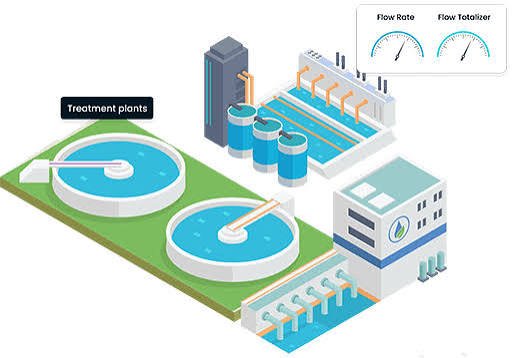
Depending on the equipment, water monitoring & smart systems can offer useful information through digital displays or connected mobile applications. Certain devices monitor flow rates, while others can identify patterns that may suggest a leak or an unexpected increase in water use. More advanced setups may integrate monitoring with other home management tools.
Imagine leaving for a weekend trip and receiving an alert that water is flowing continuously through a pipe. That warning could give you the chance to investigate before returning to a flooded utility room. Even smaller insights, such as discovering that a running toilet is wasting water, can make a difference over time.
Still, smart monitoring isn’t the same as water purification. A device that measures flow or detects leaks generally cannot tell you whether the water contains bacteria, chemicals, or other contaminants. Homeowners should understand exactly what a system measures and avoid assuming that digital monitoring replaces proper water testing.
Start With a Water Test Before Choosing Equipment
Buying a treatment system without knowing what’s in your water can lead to disappointing results. A filter might improve taste but do little about hardness. A water softener may reduce mineral buildup but won’t necessarily address microorganisms or chemical contamination. Different problems require different solutions.
A free water test can be a convenient starting point for homeowners who want to learn more about their water. Depending on the provider, an initial assessment may include basic measurements, an explanation of common water quality issues, and recommendations for possible treatment options. It’s worth asking what’s included before scheduling the test.
Free assessments can be helpful, but their scope varies. Some are preliminary screenings rather than comprehensive laboratory analyses. If you rely on a private well or have concerns about specific contaminants, ask whether laboratory testing is recommended and whether the test covers the substances relevant to your situation.
Pay attention to how results are explained, too. A trustworthy professional should describe what the findings mean, distinguish between confirmed problems and general recommendations, and explain the limitations of any proposed equipment. You should feel comfortable asking questions without being pressured into making an immediate purchase.
Choosing a Treatment System That Fits Your Needs
Once you have a clearer picture of your water quality, you can compare treatment options more confidently. There isn’t one universal system that solves every household water issue, and that’s perfectly fine. The goal is to select a solution that works for your home, budget, and daily water use.
For example, activated carbon filters can reduce chlorine taste and odor, depending on their design and certification. Water softeners are commonly used to address hardness caused by calcium and magnesium. Reverse osmosis systems can reduce certain dissolved substances in drinking water when properly selected and maintained. Homes with verified microbial concerns may need an appropriately designed disinfection system.
Each option has trade-offs. Some systems require regular cartridge changes, while others need salt, electricity, periodic servicing, or additional pretreatment. Reverse osmosis systems may also produce wastewater during operation. Understanding these details before installation can help prevent unpleasant surprises later.
Think about how your household actually uses water. A small family that mainly wants better-tasting drinking water may have different needs from a large household dealing with hard water throughout the property. The most effective solution is the one that addresses the identified problem without making routine maintenance unnecessarily difficult.
Why Professional Installation Can Make a Difference
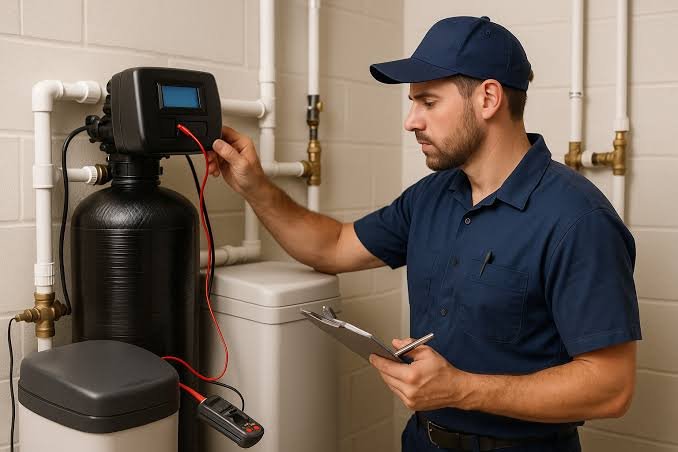
Even high-quality equipment can perform poorly when it’s installed incorrectly. Incorrect sizing, unsuitable plumbing connections, inadequate pretreatment, or poor placement can affect performance and make future servicing more difficult. In some cases, the system may not deliver the benefits promised by its specifications.
Choosing full-service installation can simplify the process by bringing equipment selection, setup, and initial system checks together. Depending on the provider’s offering, the service may include reviewing your water quality results, recommending compatible equipment, installing the system, and explaining how to maintain it.
Before scheduling installation, confirm what the quoted price covers. Ask about plumbing modifications, electrical requirements, disposal of old equipment, warranties, and follow-up service. It’s also sensible to find out whether replacement filters and other consumables are readily available.
A good installer should explain how the system operates and what you need to do to keep it running properly. You shouldn’t have to search through a stack of paperwork just to figure out when a filter needs changing. Clear instructions and accessible support make ownership much easier.
Keep Your System Working as Intended
Water treatment isn’t a one-time task. Filters have limited capacity, softeners may need salt replenishment, and UV disinfection equipment requires maintenance according to the manufacturer’s instructions. Smart monitoring devices also need occasional checks to ensure their readings and alerts remain useful.
A simple maintenance calendar can help. Record installation dates, replacement schedules, service visits, and water test results in one place. If you notice a sudden change in taste, odor, color, or water pressure, investigate it instead of assuming the treatment system will automatically correct the problem.
For homes using private wells, follow appropriate testing recommendations and arrange additional checks when local conditions or specific events raise concerns. Technology can support good water management, but it works best alongside sensible maintenance and reliable testing.
A Practical Way Forward for Better Water
Managing household water quality doesn’t require chasing every new gadget or installing the most expensive equipment available. It begins with understanding your water, identifying what needs improvement, and choosing a solution that fits your circumstances.
Smart monitoring can make water use easier to track. Testing can provide useful evidence about water quality, while properly selected treatment equipment can address specific concerns. Professional installation and regular maintenance help bring those pieces together.
Most importantly, take your time. Ask questions, compare recommendations, and understand what a system can and cannot do before investing. When your decisions are based on reliable information rather than guesswork, better water management becomes a practical part of everyday home care—not another complicated project on your to-do list.